
Little Italy Branch — Chicago Public Library
🏢 Chicago Public Library · Chicago, Illinois
Little Italy Branch — Chicago Public Library
Opened in 2019 at 1336 W. Taylor Street in Chicago's historic Little Italy neighborhood, this Chicago Public Library branch serves the Near West Side community steps from the University of Illinois Chicago campus and the memory of Jane Addams' Hull House. It stays open until 8 p.m. on Monday and Wednesday for after-school and after-work visits, and hosts certified Teachers in the Library to support students Monday through Thursday.
🕑 Library Hours
| Monday | 12pm–8pm |
| Tuesday | 10am–6pm |
| Wednesday | 12pm–8pm |
| Thursday | 10am–6pm |
| Friday | 9am–5pm |
| Saturday | 9am–5pm |
| Sunday | 1pm–5pm |
Hours may vary on holidays; check the library site before visiting.
📍 Location, Contact & Directions
Address: 1336 West Taylor Street, Chicago, IL 60607
Phone: (312) 746-5656
Website: chipublib.org
Plus Code: 86HJV89Q+VV (Chicago, IL)
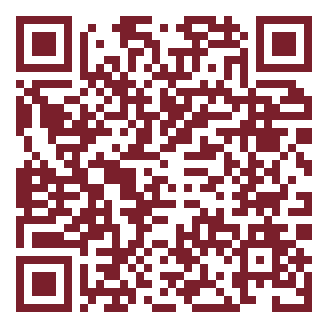
📱 Scan for directions
Point your phone camera at the code to open turn-by-turn directions in Google Maps.
👋 Use the Library Online
📖 About Little Italy Branch — Chicago Public Library
The Little Italy Branch is the Chicago Public Library's neighborhood branch for the Near West Side, occupying the ground floor of a mixed-use Roosevelt Square residential building at 1336 W. Taylor Street. Taylor Street has been the heart of Chicago's Italian immigrant community since the 1880s, when thousands of newcomers settled between the Maxwell Street market and Jane Addams' Hull House settlement (opened 1889). Today the branch sits within walking distance of the UIC campus, Holy Family Church (1857), Our Lady of Pompeii Church (1911), and the National Italian American Sports Hall of Fame. The branch replaced library service that had been provided at the former Roosevelt Branch (closed 2019) and offers a seed library, study rooms, and Chinese-language materials alongside its general collection. The Teacher in the Library program — staffed by certified educators — runs Monday through Thursday during after-school hours, giving students and parents one-on-one homework support. CPL cardholders access a rich slate of digital content including Libby, hoopla, Kanopy, and the statewide IRIS databases.
⭐ What makes this library special
- Located at 1336 W. Taylor Street in the heart of Chicago's historic Little Italy neighborhood, steps from the University of Illinois Chicago campus
- Open until 8 p.m. on Monday and Wednesday, making it accessible for after-school and after-work visits
- Teacher in the Library program: certified educators offer one-on-one homework help Monday–Thursday during after-school hours
- Seed library on-site — borrow seeds for community gardens and return seeds at season's end
- Chinese-language materials collection alongside English titles, reflecting the neighborhood's diverse present
📱 Digital Resources — Free with Your Library Card
Chicago Public Library cardholders can stream, download and research for free through CPL's digital platforms and Illinois statewide collections:
📚 Services
- Public computers, printing, scanning & free Wi-Fi
- Teacher in the Library: certified educators for homework help Mon–Thu after school
- Seed library — borrow vegetable, herb & flower seeds
- Study rooms available for individual and small-group use
- Chinese-language materials collection
- Meeting room available for community groups
- After-hours book return drop box
- Interlibrary loan through Chicago Public Library system
🎸 Programs
- Homework help with Teacher in the Library (Mon–Thu, after-school hours)
- Children's storytimes and youth programming
- Summer reading program for all ages
- Adult programming and cultural events
- Community events in the Near West Side neighborhood
- Digital literacy workshops
📍 Nearby Libraries in Chicago's Near West & South Sides
Distances are approximate straight-line miles from this library.
❓ Frequently Asked Questions
Where is the Little Italy Branch located, and what are its evening hours?
The Little Italy Branch is at 1336 W. Taylor Street, Chicago, IL 60607, in the Near West Side's historic Italian community. It stays open until 8 p.m. on Monday and Wednesday, until 6 p.m. on Tuesday and Thursday, until 5 p.m. on Friday and Saturday, and 1–5 p.m. on Sunday.
What is the Teacher in the Library program at Little Italy Branch?
The Teacher in the Library program places certified educators in the branch on Monday through Thursday during after-school hours. They offer one-on-one homework help across all grade levels, helping students focus, find resources, and work through assignments — at no charge to families.
Does the Little Italy Branch have a seed library?
Yes. The branch operates a seed library where cardholders can borrow vegetable, herb, and flower seeds for their gardens. At the end of the growing season, patrons are encouraged to save and return seeds to keep the collection growing.
What is the history of the Little Italy neighborhood around this branch?
Italian immigrants began settling along Taylor Street in the 1880s, making this one of Chicago's oldest and most storied immigrant neighborhoods. Jane Addams opened Hull House nearby in 1889. The UIC campus replaced much of the original neighborhood in the 1960s, but Taylor Street restaurants, Our Lady of Pompeii Church (1911), and the National Italian American Sports Hall of Fame preserve the area's heritage. The branch serves both this historic community and UIC's students and staff.
📚 This library has study rooms. See how library study rooms work — booking, time limits and quiet vs group rooms — and find other libraries with study rooms libraries with study rooms by state.
🖨 This library offers printing, copying & fax. See how library printing, copying, scanning and fax services work — costs and mobile printing — and find other libraries that offer them printing & fax by state.
✎ Notice something out of date? Suggest a correction and we’ll verify and update it.
✓ Hours & details last verified from official sources in September 2026.